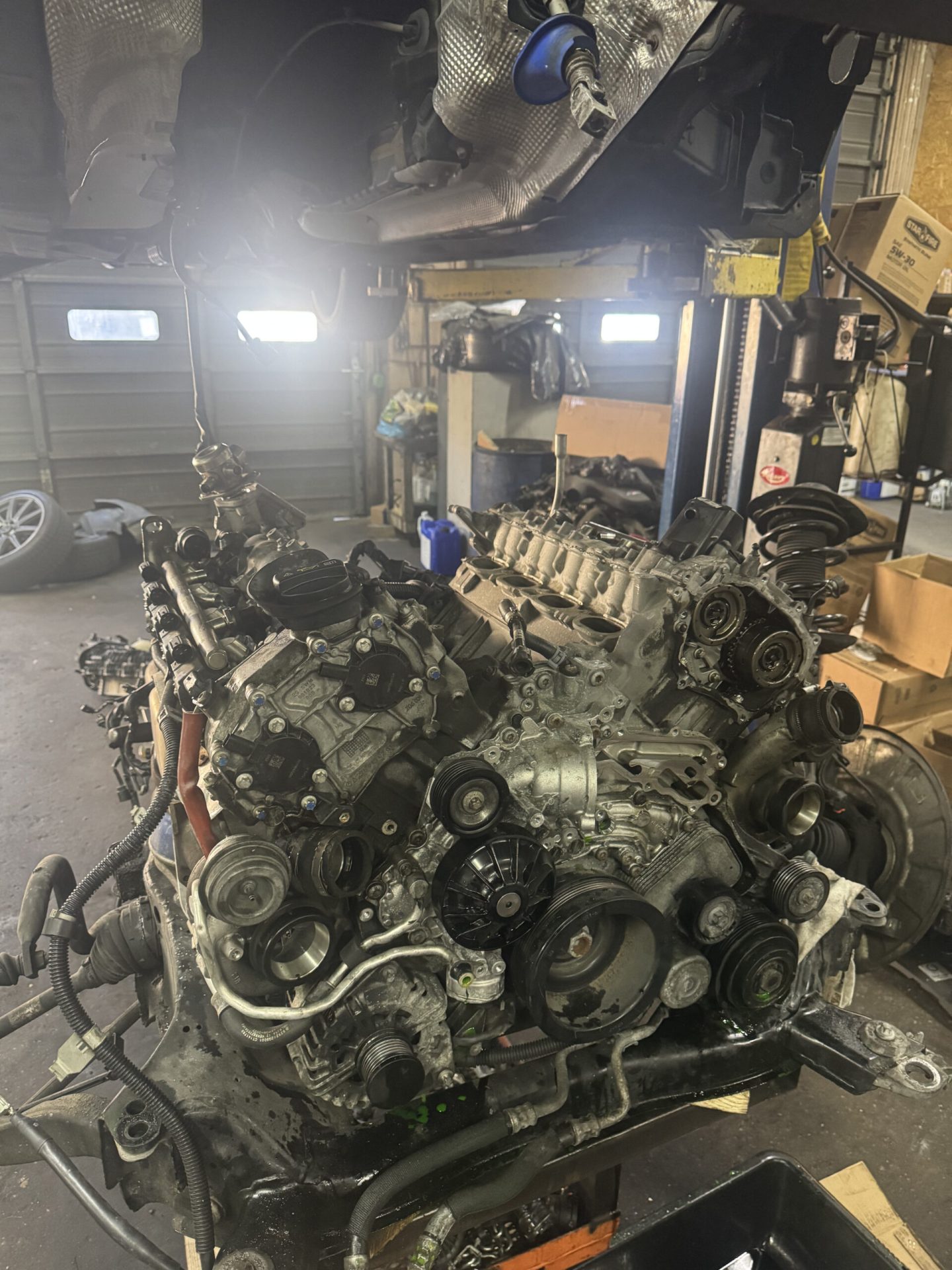
Timing Belt Replacement
Professional Timing Belt Replacement in Philadelphia
Your timing belt is one of the most critical components in your engine, and replacing it on schedule is essential to preventing catastrophic engine damage. At TOP CONCEPT LLC in Philadelphia, we provide expert timing belt replacement services for all vehicle makes and models. Our certified technicians understand the importance of this maintenance procedure and perform every timing belt job with precision and care.
A timing belt synchronizes the rotation of the crankshaft and camshaft, ensuring that engine valves open and close at precisely the right moments during the combustion cycle. When a timing belt fails, the consequences can range from a simple stall to complete engine destruction. That is why proactive replacement according to your manufacturer schedule is one of the most important maintenance investments you can make.
Understanding the Timing Belt
The timing belt is a reinforced rubber belt with precisely spaced teeth that meshes with gears on the crankshaft and camshaft. As the crankshaft rotates, the timing belt turns the camshaft at exactly half the crankshaft speed, which opens and closes the intake and exhaust valves in perfect synchronization with piston movement.
Over time, the rubber material of the timing belt degrades due to heat, oil exposure, and the constant stress of operation. The belt can stretch, crack, lose teeth, or break entirely. Unlike a serpentine belt that drives accessories and gives visible warning signs of wear, a timing belt is typically enclosed behind a cover, making visual inspection difficult without partial disassembly.
It is important to note the difference between interference and non-interference engines. In an interference engine, the pistons and valves occupy the same space in the cylinder at different times. If the timing belt breaks on an interference engine, pistons can strike open valves, causing bent valves, damaged pistons, and potentially a destroyed cylinder head or engine block. Most modern engines are interference designs, making timely belt replacement critical.
When to Replace Your Timing Belt
Most vehicle manufacturers recommend timing belt replacement at intervals between 60,000 and 100,000 miles, or every 5 to 7 years, whichever comes first. The specific interval for your vehicle can be found in your owner manual or by consulting with our service team.
Common replacement intervals by manufacturer include:
- Honda and Acura: typically 60,000 to 105,000 miles depending on model and year
- Toyota and Lexus: typically 60,000 to 90,000 miles
- Subaru: typically 105,000 miles
- Volkswagen and Audi: typically 80,000 to 120,000 miles
- Hyundai and Kia: typically 60,000 to 90,000 miles
- Mitsubishi: typically 60,000 miles
Even if your vehicle has not reached the mileage interval, age-based replacement is important. Rubber deteriorates over time regardless of use, and a belt that has been in service for seven or more years may be at risk of failure even with lower mileage.
Signs of a Worn Timing Belt
While timing belt failure often occurs without warning, there are some signs that may indicate your belt is wearing and needs attention:
- Ticking or clicking noise coming from the front of the engine
- Engine misfires or runs rough
- Difficulty starting the engine
- Oil leaking from the front of the engine near the timing cover
- Visible cracks, fraying, or missing teeth on the belt during inspection
- Engine will not turn over at all, which may indicate the belt has already broken
If you experience any of these symptoms and your vehicle is approaching or past its timing belt replacement interval, contact TOP CONCEPT LLC immediately. Continuing to drive with a compromised timing belt risks severe engine damage.
What We Replace During a Timing Belt Service
A thorough timing belt replacement is more than just swapping the belt. At TOP CONCEPT LLC, our timing belt service includes inspection and replacement of related components that are accessed during the procedure:
Timing Belt. The primary component, replaced with a new belt that meets or exceeds OEM specifications for material quality and dimensional accuracy.
Water Pump. The water pump is driven by or located behind the timing belt on most vehicles. Since the labor to access the water pump overlaps significantly with timing belt replacement, we strongly recommend replacing the water pump at the same time. This prevents having to repeat the labor-intensive process if the water pump fails later.
Tensioner and Idler Pulleys. The timing belt tensioner maintains proper belt tension, and idler pulleys guide the belt along its path. These components have bearings that wear over time. Replacing them during a timing belt service ensures the new belt operates under proper tension and alignment.
Front Engine Seals. Camshaft and crankshaft seals are inspected and replaced if they show signs of leaking. Oil contamination is one of the leading causes of premature timing belt failure, so addressing seal leaks during the service protects your new belt.
By replacing all of these components together, you avoid the risk and expense of having to revisit this labor-intensive area of the engine in the near future.
Timing Belt vs. Timing Chain
Not all vehicles use a timing belt. Many modern engines use a timing chain instead, which is made of metal links similar to a bicycle chain. Timing chains are generally designed to last the life of the engine and do not require scheduled replacement, although they can stretch over time and may eventually need service.
If you are unsure whether your vehicle has a timing belt or timing chain, our team at TOP CONCEPT LLC can quickly determine which your engine uses and advise you on the appropriate maintenance schedule. Vehicles that switched from belts to chains across model years can be particularly confusing, so it is always worth verifying.
Serving Philadelphia Drivers with Expert Timing Belt Service
TOP CONCEPT LLC is conveniently located at 6920 New State Rd, Philadelphia, PA 19135, serving vehicle owners across the entire Philadelphia region. Drivers from Tacony, Holmesburg, Torresdale, Mayfair, Frankford, Bridesburg, and other Northeast Philadelphia neighborhoods rely on us for professional timing belt replacement. We also serve customers from Bensalem, Trevose, Feasterville, Abington, and other nearby communities in Bucks and Montgomery counties. Our central location and reputation for quality service make us the preferred choice for timing belt replacement in the greater Philadelphia area.
Frequently Asked Questions
How much does timing belt replacement cost?
Timing belt replacement costs vary based on your vehicle make, model, and engine. The primary cost factor is labor, as accessing the timing belt requires significant disassembly on most vehicles. Including the water pump, tensioner, and pulleys in the service adds parts cost but minimal additional labor. We provide a detailed estimate specific to your vehicle before any work begins.
How long does timing belt replacement take?
Most timing belt replacements are completed within one business day. Some vehicles with more complex engine configurations may require additional time. We will provide you with an expected completion time when you drop off your vehicle so you can plan accordingly.
What happens if my timing belt breaks while driving?
If your engine is an interference design, a broken timing belt will likely cause the pistons to contact the valves, resulting in bent valves and potentially much more extensive damage. The engine will stop immediately and will not restart. If your engine is a non-interference design, the engine will stop but internal damage is unlikely. In either case, the vehicle will need to be towed. The cost difference between preventive replacement and post-failure repair can be thousands of dollars.
Can I replace just the timing belt without the water pump?
While it is technically possible, we strongly advise against it. The water pump is typically located behind or adjacent to the timing belt, meaning the labor to access it is already performed during belt replacement. If the water pump fails a year after your timing belt service, you will pay for the same labor again. Replacing both together is the most economical approach in the long run.
My vehicle has a timing chain. Does it need service?
Timing chains are designed to last much longer than belts, but they are not maintenance-free. Chains can stretch over time, especially if oil changes have been neglected. A stretched chain can cause poor engine performance, check engine lights, and rattling noises on startup. If your chain shows signs of wear, we can inspect it and recommend service if needed.
Schedule Your Timing Belt Replacement Today
Do not gamble with your engine by ignoring your timing belt maintenance schedule. The cost of preventive replacement is a fraction of the cost of repairing engine damage caused by a broken belt. Call TOP CONCEPT LLC at (267) 242-4992 to check your vehicle timing belt interval and schedule your replacement. Visit us at 6920 New State Rd, Philadelphia, PA 19135. Our expert technicians will ensure your timing belt job is done right, keeping your engine running safely for years to come.